Democracy, Accountability and the People’s Voice: How Afia TV’s Town Hall at ICC Creates an Opportunity for Ndi Enugu to Engage Leadership and Examine the State’s Future.
Enugu Media Village (EMV), the Most Updated Online News Platform — Friday, 23 October 2026.
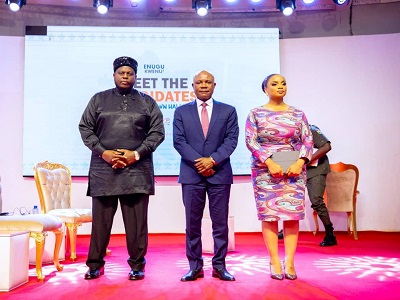
THE TOWN Hall Meeting organised by Afia TV on Wednesday, October 21, 2026, at the Dome Hall of the Enugu International Conference Centre (ICC), under the theme “2027: Meet the Candidate,” represents an important opportunity for Ndi Enugu to engage directly with political leadership, understand government policies and reflect on the development priorities that will shape the state’s future.
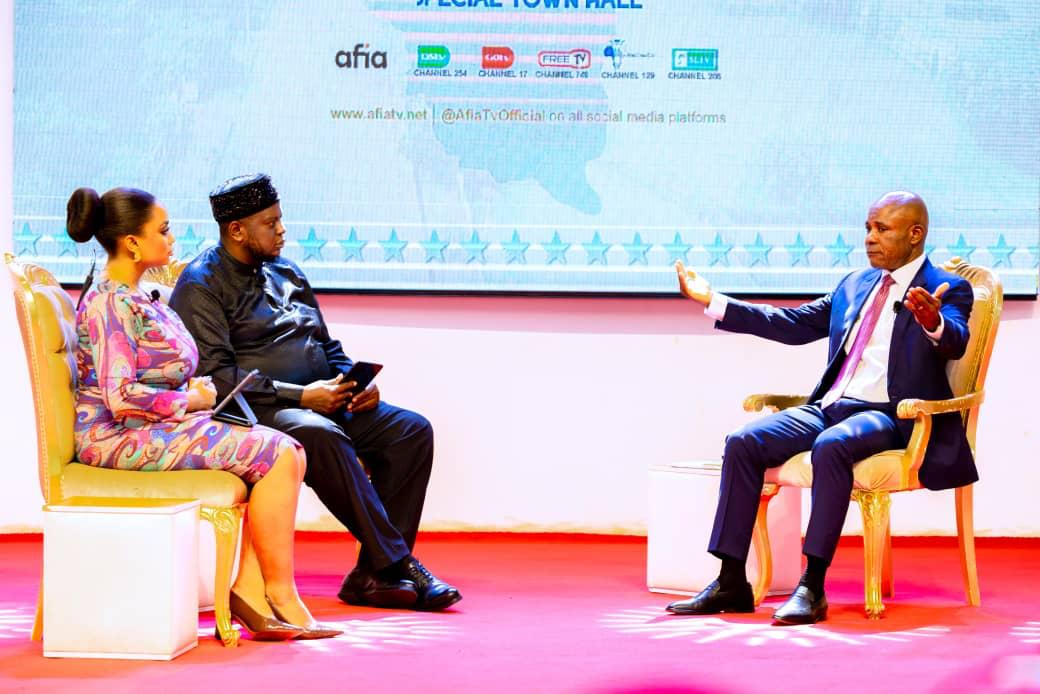
The meeting, which featured the Governor of Enugu State, His Excellency, Dr. Peter Ndubuisi Mbah, brought governance and public-interest issues into focus ahead of the 2027 general elections.
Beyond the occasion itself, the importance of a town hall meeting lies in its ability to create a platform where citizens’ concerns, expectations and questions can become part of the public conversation. It offers an opportunity to examine leadership, discuss policies and encourage a stronger relationship between government and the people.
For Ndi Enugu, the significance of the engagement extends beyond politics. It concerns everyday matters such as employment, education, healthcare, taxation, housing, security, infrastructure and the economic opportunities available to families and businesses across the state.
1. GIVING NDI ENUGU A VOICE IN GOVERNANCE
One of the most important benefits of a town hall meeting is that it creates space for citizens to express their concerns and seek explanations from public officials.
Democracy is not limited to elections. It also involves continuous communication between the people and those entrusted with public responsibilities.
Through public forums, residents can raise questions about government programmes, identify challenges affecting their communities and seek clarification on policies that influence their livelihoods.
For Ndi Enugu, such engagement helps reinforce the principle that governance should remain responsive to the people’s needs and informed by the experiences of citizens across the 17 local government areas.
When citizens have meaningful opportunities to ask questions and receive clear answers, public discussion becomes more constructive, and government priorities can be examined more openly.
2. PROMOTING ACCOUNTABILITY AND TRANSPARENCY
Town hall meetings provide an opportunity for leaders to explain their decisions, discuss achievements and clarify the objectives of government policies.
They also allow citizens and journalists to ask questions about project delivery, public expenditure, service provision and the implementation of development plans.
In Enugu State, where the administration has outlined an ambitious economic transformation agenda, public engagement can help residents understand the goals being pursued and the indicators by which progress should be measured.
For instance, discussions about road construction, healthcare facilities, schools, transport systems and urban development can encourage greater public interest in completion timelines, quality standards, accessibility and the benefits delivered to communities.
Accountability is strengthened when public statements can be compared with verifiable results. Similarly, transparency improves when information about government programmes is accessible, understandable and open to scrutiny.
3. HELPING CITIZENS UNDERSTAND GOVERNMENT POLICIES
Government policies often involve technical terms, legal provisions and economic decisions that may be difficult for ordinary citizens to interpret.
A town hall meeting offers an opportunity for public officials to explain the reasons behind such decisions and respond to concerns about their implications.
Questions concerning Capital Gains Tax and Land Use Charge, for example, demonstrate why accessible explanations of taxation and property-related obligations are important to landowners, investors, business operators and families.
Similarly, discussions about economic reforms can help citizens understand the objectives of government policies while providing space to raise concerns about the cost of living, business expenses and household welfare.
The goal is not simply to hear government explanations but to improve public understanding so that citizens can make informed assessments of policies affecting them.
4. BRINGING EVERYDAY COMMUNITY CONCERNS INTO PUBLIC DISCUSSION
The importance of a town hall meeting becomes clearer when the discussion moves from broad political promises to the daily experiences of ordinary people.
Residents want to know how government decisions affect the availability of jobs, the affordability of housing, access to quality healthcare, the cost of transportation, school standards and the safety of their communities.
Medical professionals, for instance, have legitimate concerns about working conditions, remuneration, career development and the factors influencing the retention of skilled personnel.
Tenants and property owners have questions about housing costs, property charges and the legal responsibilities governing their relationships.
Entrepreneurs and traders want clarity on levies, business regulations, infrastructure and access to investment opportunities.
By bringing these concerns into public conversation, town hall meetings can help identify policy gaps and encourage government institutions to pay attention to issues that directly affect residents.
5. STRENGTHENING DEMOCRATIC PARTICIPATION AHEAD OF 2027
As the 2027 general elections approach, Ndi Enugu have an important responsibility to understand the policy positions, records and commitments of political leaders.
The theme “2027: Meet the Candidate” places this responsibility within the context of public engagement and informed democratic participation.
Town hall meetings give citizens an opportunity to listen to political leaders explain their priorities, examine their responses to difficult questions and consider how proposed policies relate to the needs of the state.
Such engagements can contribute to a more informed electorate when discussions are open, questions are fairly represented and claims are examined against reliable evidence.
Ultimately, electoral decisions belong to the people. Every eligible voter should have the opportunity to assess candidates independently, consider competing policy proposals and make a free and informed choice.
The importance of the town hall, therefore, lies in helping citizens obtain information for their own assessment rather than dictating what political decision they should make.
6. ENCOURAGING YOUTH PARTICIPATION AND LEADERSHIP DEVELOPMENT
Young people constitute an important part of Enugu State’s social and economic future. Their concerns about employment, skills acquisition, entrepreneurship, technology, education and access to opportunities deserve meaningful attention in public discussions.
Town hall engagements can help young people understand public policy, ask questions about government programmes and participate more actively in democratic processes.
They also provide an opportunity to discuss how education, vocational training, digital innovation and private-sector investment can contribute to employment and economic independence.
When young people engage constructively with public institutions, they strengthen their understanding of civic responsibilities and help ensure that their aspirations remain part of the development conversation.
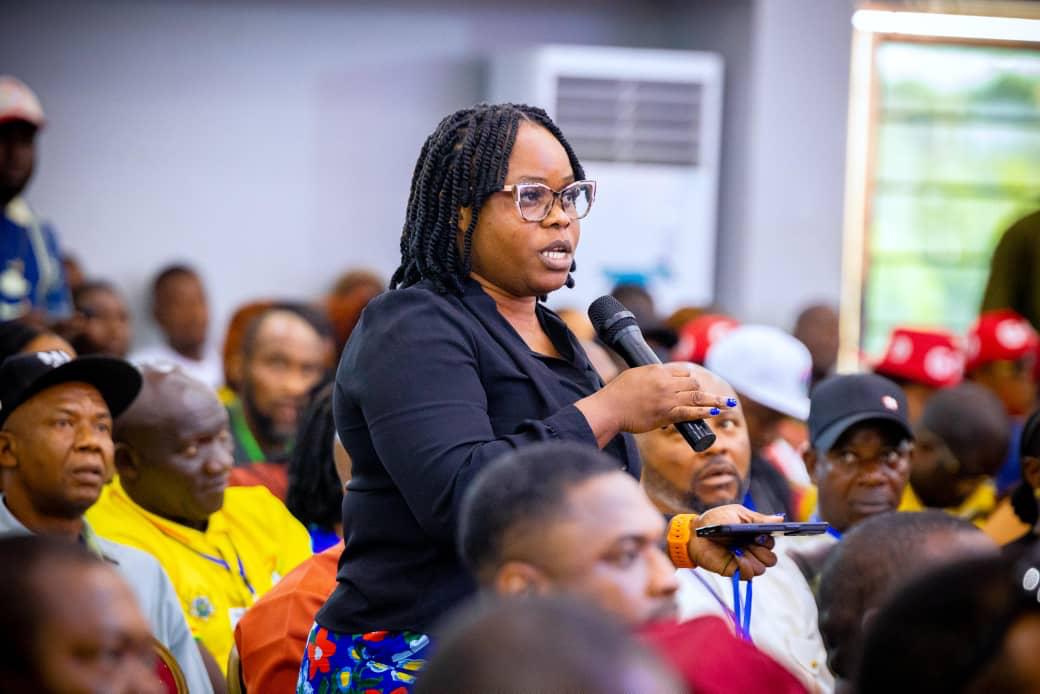
For Enugu to achieve sustainable progress, young people must not only be beneficiaries of development programmes but also active participants in shaping the policies and institutions that affect their future.
7. CONNECTING GOVERNMENT DEVELOPMENT PLANS WITH COMMUNITY NEEDS
Enugu State’s development ambitions include economic expansion, infrastructure investment, education reform, healthcare improvement and the creation of a more attractive environment for businesses.
A town hall meeting can help connect these broad objectives with the specific needs of communities.
Residents may be concerned about the condition of roads in their neighbourhoods, access to water, the availability of health facilities, the quality of schools, public transportation or the opportunities available to local businesses.
These concerns can provide useful feedback for government planning and project prioritisation.
The effectiveness of this process depends on whether the issues raised are documented, communicated to the appropriate institutions and followed up with clear information about any action taken.
A successful town hall should therefore be viewed not merely as a one-day event but as part of an ongoing process of listening, responding and reporting progress.
8. STRENGTHENING THE ROLE OF THE MEDIA IN DEMOCRACY
Afia TV’s hosting of the “2027: Meet the Candidate” town hall highlights the role of the media in creating platforms for public discussion.
A responsible media organisation helps citizens access information, question public officials, understand policy choices and follow developments that affect their communities.
The media also has a responsibility to report fairly, verify statements, distinguish facts from opinions and provide sufficient context for the public to understand complex issues.
For Enugu residents who may not have attended the meeting physically, accurate television, online and print coverage can extend the discussion beyond the venue and make important information accessible to a wider audience.
This is particularly significant in a period leading to an election, when citizens need reliable information to evaluate political claims and participate meaningfully in democratic life.
9. TURNING PUBLIC ENGAGEMENT INTO PRACTICAL RESULTS
The real value of a town hall meeting should ultimately be measured by what happens after the event.
Questions raised by citizens should receive appropriate attention. Policy explanations should be accessible. Commitments made by public officials should be documented and monitored, while issues requiring further investigation should be referred to the relevant institutions.
Government agencies, civil society organisations and the media can contribute by maintaining public records of major issues raised, tracking responses and providing updates on subsequent developments.
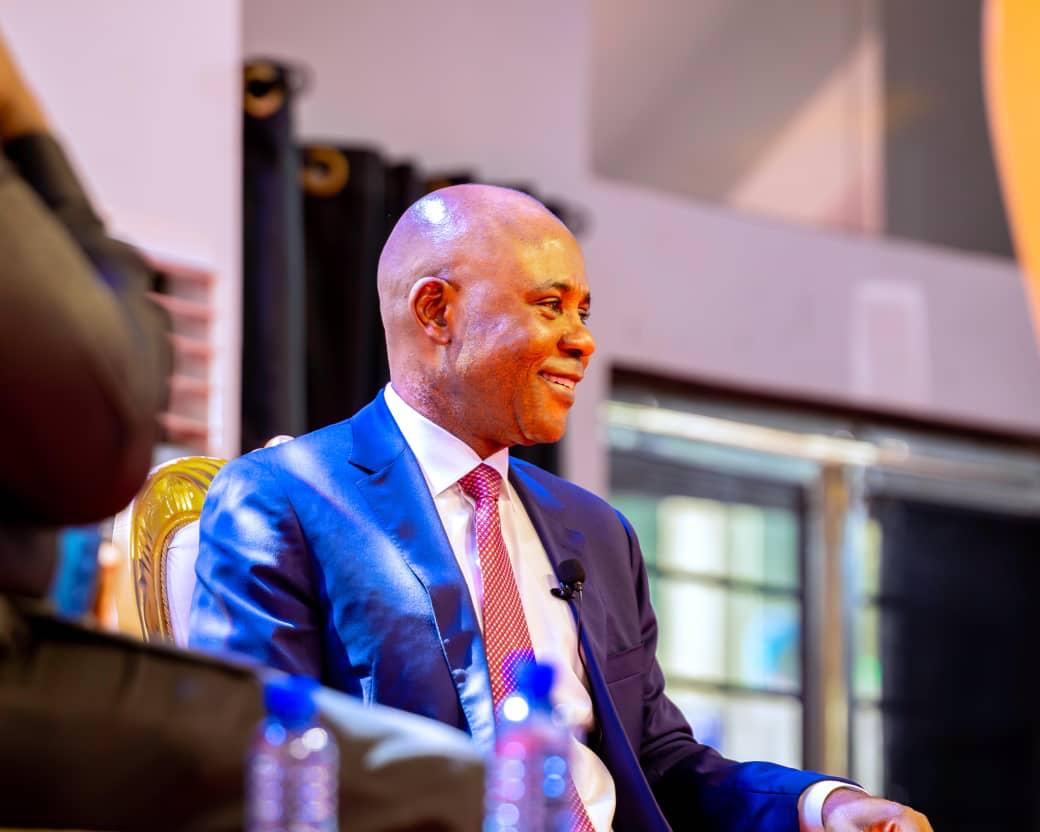
For Ndi Enugu, sustained engagement can help ensure that public concerns remain visible after the cameras have been switched off and the meeting has ended.
A town hall becomes more meaningful when it contributes to better-informed citizens, clearer communication, stronger accountability and practical responses to legitimate public concerns.
A MESSAGE TO NDI ENUGU: OUR FUTURE REQUIRES INFORMED PARTICIPATION
The “2027: Meet the Candidate” town hall at the Enugu International Conference Centre provides an important reminder that the future of Enugu State is a matter of public interest and shared responsibility.
Government has a responsibility to communicate its policies, deliver public services and account for its decisions. The media has a responsibility to inform the public accurately and provide space for constructive scrutiny. Citizens, in turn, have an opportunity to ask questions, seek reliable information and participate peacefully in democratic processes.
For Ndi Enugu, the value of such engagements lies in the opportunity to understand the issues, express concerns and assess the proposals and records of those seeking public trust.
The progress of Enugu State depends not only on government initiatives but also on informed citizens, responsible institutions, active communities and a shared commitment to peaceful participation and accountable leadership.
Enugu Media Village (EMV), the Most Updated Online News Platform, recognises the importance of public dialogue in strengthening democracy and promoting development. EMV remains committed to informing Ndi Enugu, connecting the world and advancing accountability, public participation, transparency and good governance.
EMV — Informing Enugu, Connecting the World.