
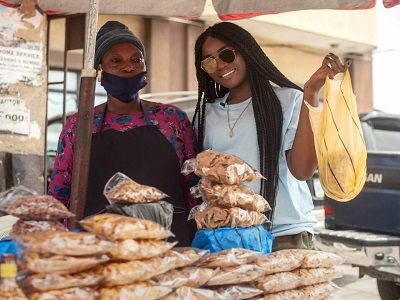
How Young Entrepreneurs Can Turn Agriculture, Food Processing, Fashion, Crafts, Logistics and Locally Made Products into Sustainable Businesses.
Enugu Media Village (EMV), the Most Updated Online News Platform— OCTOBER 16, 2026.
WHAT if the next successful business brand to emerge from Enugu is created by a young person who decides to transform a locally available resource into a product that customers can buy, trust and recommend?
From agricultural produce and processed foods to fashion, handcrafted items, household products and delivery services, Enugu and the wider South-East possess opportunities for young people willing to identify market needs and build businesses around them.
The challenge is not simply a lack of business ideas. Many young entrepreneurs struggle with limited capital, inadequate business skills, poor product packaging, inconsistent quality and difficulty reaching customers beyond their immediate communities.
One way to address these challenges is to encourage a stronger culture of local production, product innovation and entrepreneurship.
The idea behind “Made in Enugu” is straightforward: encourage young people to identify what can be produced locally, improve its quality, develop a recognisable brand and connect it to customers in Enugu, across Nigeria and potentially beyond.
Enugu State already has initiatives supporting entrepreneurship, vocational skills, garment production and small-business development. The Enugu MSME and Startup Agency, for example, lists programmes for fashion entrepreneurship, artisans, business training and access to markets.
For young people, these developments highlight an important lesson: economic opportunities can exist not only in finding employment but also in building enterprises that create value and provide jobs for others.
In this edition of the EMV Youths Economic Forum, we examine six areas where young people can explore locally driven business opportunities.
1. Agriculture: Turning Local Produce into Marketable Products
Agriculture provides a starting point for many locally made products. The South-East has farming communities that produce cassava, palm produce, vegetables, maize, rice and other agricultural commodities.
However, selling raw produce is only one part of the agricultural value chain. Young entrepreneurs can also create businesses around aggregation, processing, packaging, distribution and marketing.
Products and business ideas to explore include:
- Packaged garri and cassava flour.
- Processed and packaged palm oil.
- Dried vegetables and properly packaged spices.
- Locally sourced honey and other agricultural products, where supply and quality can be verified.
- Fresh produce supplied to restaurants, retailers and households.
Enugu United Palm Products Limited began commercial palm-oil production in September 2026, with plans for further refining and product development. This provides a current example of how agricultural production can connect with processing and industrial activity.
How young people can participate: A young entrepreneur does not necessarily need to own a plantation or large farm. They could source produce from farmers, work with established processors, develop suitable packaging and establish relationships with retailers.
What to watch: Seasonal supply changes, transportation costs, inconsistent raw-material quality, storage losses and competition can affect profitability. Food products must also meet applicable safety and regulatory requirements.
The opportunity lies in supplying products customers need regularly while maintaining dependable quality and competitive pricing.
2. Food Processing: Adding Value to What Enugu Produces
Food processing is an opportunity to turn agricultural commodities into convenient, marketable products.
Cassava can be processed into garri and flour. Palm produce can supply oil products. Other locally sourced ingredients can be used to develop properly processed spices, snacks and shelf-stable foods.
Rather than selling an unbranded commodity, entrepreneurs can develop products with clear labels, appropriate packaging, consistent quality and reliable distribution.
Business ideas for young entrepreneurs:
- A branded garri or cassava-flour business.
- Packaged local spices and soup ingredients.
- Small-scale snack production.
- Palm-oil packaging and distribution.
- Processing and packaging dried agricultural products.
How to get started: Choose one product, research existing competitors and speak with potential buyers. Test small batches before investing heavily in equipment or packaging.
Calculate the cost of raw materials, processing, labour, energy, packaging, transport and marketing. Your selling price must cover these costs while remaining attractive to customers.
For packaged foods, verify applicable NAFDAC registration, labelling and food-safety requirements before commercial production.
A good product should not depend solely on the fact that it is locally made. It must also be safe, consistent, useful and competitively priced.
3. Fashion and Garment Production: Turning Skills into Brands
Fashion offers young people opportunities in tailoring, garment manufacturing, footwear, accessories, styling and clothing distribution.
Enugu has an existing fashion and garment entrepreneurship initiative located in Emene, designed to support training, production and business development.
Young people can explore several business models, including:
- Ready-to-wear clothing and locally designed outfits.
- School uniforms and corporate clothing.
- Traditional attire and contemporary African fashion.
- Bags, headwear and fashion accessories.
- Tailoring, alterations and garment repairs.
How young people can participate: An aspiring designer can begin with made-to-order outfits, use social media to display completed work and gradually develop a distinctive clothing brand. Others can focus on supplying uniforms or producing garments for organisations, subject to their procurement requirements and production capacity.
Fashion also creates opportunities for photographers, digital marketers, models, fabric suppliers, packaging businesses and delivery operators.
What to watch: Poor finishing, delayed delivery, fabric-price changes, unsold inventory and intense competition can undermine a clothing business.
Young designers should prioritise quality, accurate measurements, dependable delivery and customer service. Starting with made-to-order products can also help limit the financial risk of holding large quantities of unsold stock.
4. Crafts and Locally Made Household Products
Handcrafted products and everyday household items can become viable businesses when they meet customer needs and are presented professionally.
Young people can investigate products such as decorative crafts, beadwork, handmade accessories, locally designed gift items, woven products and selected furniture or home décor items.
Other opportunities may exist in producing or assembling household goods, signage, branded souvenirs and customised products for events and businesses.
Business ideas to explore:
- Beaded accessories and handmade jewellery.
- Customised gift boxes and souvenirs.
- Locally made bags and decorative items.
- Furniture and woodcraft, where appropriate skills and materials are available.
- Branded products for weddings, conferences and corporate events.
How to get started: Select a product you can make consistently and identify a clear target market. Develop sample products, photograph them professionally and show them to potential customers before producing large quantities.
Partnerships with event planners, gift shops, hotels and corporate organisations can help generate orders.
What to watch: Limited demand for specialised products, inconsistent craftsmanship, material costs and weak marketing can restrict sales.
The goal is to combine creativity with commercial discipline. A beautiful product still needs customers, suitable pricing and a reliable route to market.
5. Logistics and Distribution: Helping Local Businesses Reach Customers
Not every youth enterprise needs to manufacture a physical product. Some can build businesses by helping local producers sell and deliver their goods.
As businesses expand beyond their immediate neighbourhoods, they need dependable transportation, packaging, order management and delivery services.
This creates potential opportunities in:
- Delivery services for local shops and food businesses.
- Distribution of agricultural produce and processed foods.
- Packaging and fulfilment services for online sellers.
- Wholesale supply of locally made products.
- Digital platforms that connect producers, retailers and customers.
How young people can participate: A young entrepreneur could work with a group of local producers to coordinate orders and deliveries. Another could specialise in supplying selected locally made products to supermarkets, shops, restaurants or customers in other cities.
A logistics business can also support manufacturers by helping them reach customers without having to manage every delivery themselves.
What to watch: Fuel prices, vehicle maintenance, poor route planning, damaged goods, delayed payments and delivery failures can erode margins.
Start with a defined service area, agree on prices and delivery conditions, and keep accurate records of every order. Where possible, secure confirmed customer orders before purchasing stock or committing to expensive transportation.
6. Digital Marketing and Online Sales for Made-in-Enugu Brands
A locally made product can struggle if customers do not know it exists. Digital marketing can help young entrepreneurs increase visibility and reach customers beyond their immediate communities.
Smartphones and internet access enable businesses to showcase products, communicate with customers and receive orders without necessarily operating expensive retail premises.
Young people can build services around product photography, social media management, online storefronts, advertising, customer support and digital catalogue development.
Business ideas include:
- Managing social media accounts for local manufacturers.
- Creating online catalogues for fashion designers and food processors.
- Helping small businesses advertise their products.
- Building customer-ordering and delivery systems.
- Selling locally made goods through suitable online marketplaces.
Enugu State’s official marketplace portal provides a platform for local vendors to list products and reach customers across the state’s 17 local government areas. Entrepreneurs interested in online selling can investigate its current vendor onboarding requirements.
What to watch: Online visibility does not automatically translate into sales. Poor product photographs, misleading descriptions, slow responses, unreliable delivery and customer distrust can prevent businesses from growing.
Entrepreneurs should publish accurate information, use clear pricing, protect customers’ personal information and fulfil orders as promised.
The strongest digital strategy is one that combines online promotion with real product quality and dependable service.
Five Practical Steps to Build a Made-in-Enugu Business
1. Identify a genuine customer need. Find out what people regularly buy, what they find difficult to obtain and where existing products or services fall short.
2. Start with one product or service. Focus on something you can produce or deliver consistently instead of launching too many products at once.
3. Calculate your costs. Include materials, labour, electricity, transport, packaging, marketing and other expenses. Sales revenue is not the same as profit.
4. Build a trustworthy brand. Use clear product information, consistent quality, appropriate packaging and reliable customer service.
5. Expand through partnerships. Connect with suppliers, retailers, other producers, distributors and digital marketers who can help you reach more customers.
Young entrepreneurs should also keep business records, separate business funds from personal spending and verify the terms of any grant or loan before committing themselves financially.
How Consumers Can Support Made-in-Enugu Products
Building successful local brands is not the responsibility of entrepreneurs alone. Consumers, businesses, institutions and communities can also contribute to the growth of locally produced goods.
Consumers can consider locally made products when quality, price, safety and suitability meet their needs. Businesses can explore sourcing from local suppliers, while event organisers and organisations can consider qualified local producers for appropriate purchases.
However, supporting local production should not mean accepting poor quality or paying unreasonable prices. Sustainable local brands must earn customer confidence through value, consistency and accountability.
Constructive customer feedback can also help young entrepreneurs improve their products and services.
The Economic Value of Buying and Producing Locally
When a local enterprise grows, its activities can create opportunities for others along the supply chain.
A food processor may purchase agricultural produce from farmers, employ packaging workers and pay distributors. A garment maker may work with fabric suppliers, tailors, photographers and delivery operators. A furniture producer may depend on material suppliers, artisans and transport services.
These relationships illustrate how a single enterprise can support economic activity beyond its immediate owner.
For Enugu and the wider South-East, encouraging more competitive local businesses could strengthen supply chains, improve access to markets and create pathways for young people to acquire practical skills and employment.
The objective should be to develop businesses that can serve local customers first and, where their products and operations are ready, expand into other Nigerian markets and international trade.
Conclusion: Let Us Build Brands That Carry Enugu to the World
“Made in Enugu” should represent more than a label on a product. It should stand for local creativity, quality, enterprise and the ability to compete in the marketplace.
Young people do not need to wait until they have large factories or substantial investment before taking their first steps. They can begin with a practical skill, a carefully selected product, a small customer base and a commitment to improving over time.
Some may find opportunities in agriculture and food processing. Others may build fashion labels, craft businesses, logistics services or digital marketing agencies that help local producers grow.
What matters is the ability to identify a real need, offer a valuable solution and operate the business responsibly.
The South-East has entrepreneurial talent. Turning that talent into sustainable wealth requires practical skills, market access, reliable infrastructure, financing where appropriate and a culture that values locally created products.
The next successful brand from Enugu could begin in a family kitchen, a small workshop, a tailoring shop, a farm or a young person’s online store. What matters is starting with purpose, building with quality and growing through customer trust.
EMV YOUTHS ECONOMIC FORUM
Empowering young people to transform local ideas, skills and resources into sustainable businesses, jobs and economic opportunities.
Enugu Media Village (EMV), the Most Updated Online News Platform — Informing Enugu, Connecting the World.
Promoting Accountability, Public Participation, Transparency and Good Governance.