
Enugu Media Village (EMV), the Most Updated Online News Platform — Wednesday, October 21, 2026.
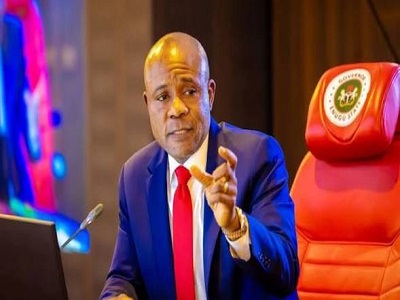
LAND TAXATION, the retention and welfare of medical doctors, and rising house rents were among the important public-interest issues highlighted in connection with the inaugural episode of Afia TV’s ENUGU KWENU: MEET THE CANDIDATES town hall series featuring His Excellency, Dr. Peter Ndubuisi Mbah, the Executive Governor of Enugu State.
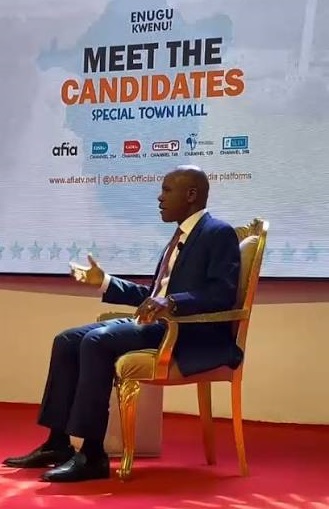
The programme, streamed live by Afia TV Official on Wednesday, October 21, 2026, was designed to bring governance, public policy and development plans before citizens as political conversations ahead of the 2027 elections gather momentum.
Three questions identified by the organisers of this report came from Mr. Mike Ubani, a staff member of Summit News; Dr. Sunday Okafor, immediate past Chairman of the Nigerian Medical Association (NMA), Enugu State Branch; and Barr. Chiagozie Nwabugo.
Their questions address issues affecting property owners, healthcare professionals, tenants and households across Enugu State.
1. MIKE UBANI OF SUMMIT NEWS SEEKS CLARIFICATION ON CAPITAL GAINS TAX AND LAND USE CHARGE
The question:
Mr. Mike Ubani, a staff member of Summit News, asked the Governor to clarify the difference between Capital Gains Tax and Land Use Charge as they affect landowners in Enugu State.
Policy clarification and suggested response:
The question raises an important distinction between taxation on gains arising from the disposal of assets and charges associated with property ownership.
Capital Gains Tax generally concerns taxable gains realised when an asset is sold or otherwise disposed of, subject to applicable legislation, exemptions and other conditions. Land Use Charge, by contrast, is a property-related charge imposed under the relevant state legal framework. The two obligations are different in their purpose and basis of assessment.
The Enugu State Government announced land-sector reforms in January 2026, including the consolidation of ground rent, Land Use Charge and other property-related charges into a single annual Unified Land Use Charge. The government said the consolidated charges had been reduced by more than 60 per cent and also announced a ban on illegal levies known as Ogbonecheagu fees.
An appropriate response from the Governor would emphasise that residents should understand the legal basis of each obligation, know the authorised collecting agency and have access to transparent assessments.
The administration could also reinforce the importance of public enlightenment, digital land administration and enforcement against unauthorised collections. Such measures would help property owners distinguish legitimate government charges from illegal demands.
Why the question matters: Clarity on land-related charges is essential for homeowners, landlords, investors and prospective property buyers. A transparent system can reduce confusion, discourage multiple or unauthorised collections and improve confidence in property transactions.
2. DR. SUNDAY OKAFOR ASKS ABOUT MEDICAL DOCTORS’ RETENTION AND WELFARE
The question:
Dr. Sunday Okafor, immediate past Chairman of the Nigerian Medical Association, Enugu State Branch, asked Governor Mbah about his plans to retain medical doctors in the state and improve their overall welfare.
Policy-focused suggested response:
A constructive response would recognise that the strength of the healthcare system depends not only on buildings and medical equipment but also on the availability, motivation and professional development of qualified personnel.
The administration could explain its approach to retaining doctors through improved working conditions, adequate staffing, access to modern medical equipment, timely payment of lawful entitlements, professional training and opportunities for career advancement.
Other relevant measures include constructive engagement with the NMA and other healthcare professional bodies, transparent consideration of welfare concerns, safer working environments and policies that encourage experienced specialists and younger doctors to build long-term careers in Enugu.
The state’s investments in primary healthcare infrastructure provide an important context for this discussion. However, infrastructure development must be complemented by appropriate staffing and sustainable workforce policies if residents are to benefit fully from improved facilities.
A forward-looking policy response would also address the practical challenges confronting doctors, including workload, remuneration, access to postgraduate training and the availability of essential resources in public hospitals.
Why the question matters: The retention of medical professionals has direct implications for patient waiting times, access to specialist services, emergency care and the quality of healthcare available to residents. A sustainable strategy requires measurable commitments, regular consultation with professional associations and monitoring of workforce outcomes.
3. BARR. CHIAGOZIE NWABUGO RAISES CONCERNS OVER EXCESSIVE HOUSE-RENT INCREASES
The question:
Barr. Chiagozie Nwabugo asked Governor Mbah what plans his administration has to prevent landlords from increasing house rents excessively.
Policy-focused suggested response:
An appropriate response would acknowledge the pressure rising accommodation costs can place on workers, young people, families, students and other residents.
The government could outline a balanced housing policy that recognises property owners’ legitimate interests while ensuring that tenants are treated fairly and have access to lawful protections.
One important long-term approach is expanding the supply of affordable housing. Where demand significantly exceeds available accommodation, rental costs can become increasingly difficult for households to manage. Mass-housing development, planned residential communities and incentives for responsible private-sector investment can contribute to increasing supply.
Housing supply, however, is not the only consideration. The administration could also review the effectiveness of existing tenancy protections, strengthen lawful dispute-resolution processes and improve public awareness of the rights and responsibilities of landlords and tenants.
Clear tenancy agreements, appropriate notice periods and access to lawful remedies are important elements of fair rental arrangements. Any proposed rent-control measures or new restrictions would need to be grounded in applicable law and carefully assessed for their effects on housing supply, maintenance and private investment.
Why the question matters: Excessive rent increases can consume a substantial share of household income and make it harder for residents to meet other essential expenses. A sustainable response should combine increased housing supply with fair tenancy practices, effective legal protections and accessible mechanisms for resolving disputes.
PUBLIC ACCOUNTABILITY AND THE ROAD TO 2027
The three questions illustrate how town hall engagements can bring practical concerns directly into conversations about public policy.
Landowners need clarity about their legal obligations. Healthcare professionals need an environment that supports effective service delivery and career development. Tenants need fair treatment and access to decent accommodation at reasonable costs.
These concerns also demonstrate why public discussions should be followed by clearly documented policies, measurable targets and transparent reporting on implementation.
As the ENUGU KWENU: MEET THE CANDIDATES series continues, citizens will benefit from opportunities to examine candidates’ policy positions, seek explanations and assess proposed solutions to issues affecting their daily lives.
For the media, accurate reporting requires a clear distinction between questions raised, statements actually made by public officials, existing government policies and proposals offered for further consideration.
CONCLUSION
The issues raised by Mr. Mike Ubani, Dr. Sunday Okafor and Barr. Chiagozie Nwabugo speak to three essential dimensions of public welfare in Enugu State: fair and transparent property-related charges, a sustainable healthcare workforce, and access to affordable housing.
Addressing these concerns requires a combination of clear laws, effective implementation, sustained stakeholder engagement and accountability for public commitments.
As Enugu State approaches the 2027 elections, continued public scrutiny of policies and their real-world effects remains important to informed civic participation and responsible governance.
Enugu Media Village (EMV), the Most Updated Online News Platform, remains committed to promoting accountability, public participation, transparency and good governance through accurate, balanced and development-focused journalism.