
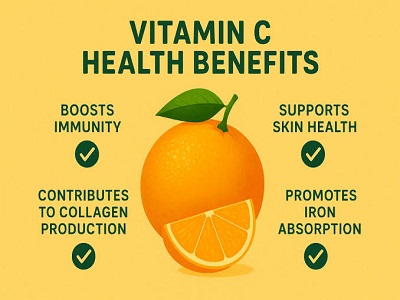
From Immune Support to Healthy Skin, Here Are the Key Benefits of This Essential Nutrient.
Enugu Media Village (EMV), the Most Updated Online News Platform — October 8, 2026
Vitamin C is an essential nutrient that plays several important roles in maintaining good health. Since the human body cannot produce it naturally, it must be obtained through foods and, when necessary, supplements.
Also known as ascorbic acid, Vitamin C is found naturally in many fruits and vegetables, including oranges, tangerines, guava, peppers, tomatoes, strawberries and leafy vegetables.
Key Benefits of Vitamin C
1. Supports the Immune System
Vitamin C contributes to normal immune function and supports the body’s natural defence mechanisms. Eating a diet rich in Vitamin C can therefore form part of a healthy lifestyle.
2. Helps the Body Absorb Iron
Vitamin C improves the absorption of non-haem iron, the type of iron commonly found in plant-based foods. Combining Vitamin C-rich foods with beans, vegetables and other plant sources of iron can help the body absorb more iron.
3. Supports Healthy Skin
Vitamin C is required for the production of collagen, a protein that helps maintain the structure and strength of skin, blood vessels, bones and connective tissues. Adequate Vitamin C intake therefore supports normal skin health.
4. Acts as an Antioxidant
Vitamin C is an antioxidant that helps protect cells from damage caused by free radicals. Antioxidants are part of the body’s natural defence system against oxidative stress.
5. Supports Wound Healing
Because Vitamin C is necessary for collagen formation and connective-tissue development, adequate amounts are important for normal wound healing.
6. Helps Maintain Healthy Bones and Tissues
Vitamin C contributes to the normal formation of collagen, which is important for bones, cartilage, teeth, gums and blood vessels.
7. Supports Overall Nutritional Health
A diet containing Vitamin C-rich fruits and vegetables also provides fibre, water and other vitamins, minerals and plant compounds that contribute to overall wellbeing.
Good Sources of Vitamin C
Some foods that can provide Vitamin C include:
- Oranges and other citrus fruits
- Guava
- Sweet peppers
- Tomatoes
- Strawberries
- Kiwi
- Broccoli
- Cabbage
- Green leafy vegetables
- Mango and other fruits
Food First Is Usually Best
For most healthy people, a varied and balanced diet can provide sufficient Vitamin C. Fresh fruits and vegetables are generally preferable to relying on high-dose supplements.
Taking very large amounts of Vitamin C supplements may cause side effects such as diarrhoea, nausea and stomach cramps. People with certain medical conditions or those taking particular medicines should seek professional advice before using high-dose supplements.
A Simple Healthy Habit
Including a variety of fruits and vegetables in everyday meals is one of the easiest ways to obtain Vitamin C naturally. Rather than depending on one “superfood,” health experts generally recommend a balanced diet containing different food groups.
Enugu Media Village (EMV), the Most Updated Online News Platform, encourages readers to make informed health choices and seek advice from qualified healthcare professionals when they have specific medical concerns.