Naira Records 2.6% Maximum Depreciation as African Currencies Face Global Economic Pressures.
Enugu Media Village (EMV), the Most Updated Online News Platform — October 8, 2026
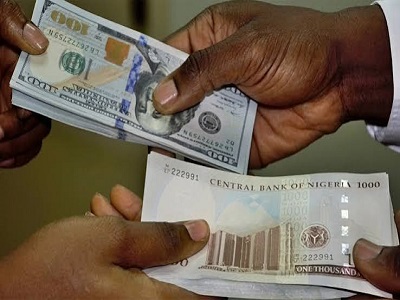
The Nigerian naira has emerged among the more resilient African currencies amid widespread exchange-rate pressures recorded across the continent in the second quarter of 2026, according to the latest World Bank Africa Economic Update.
The World Bank said the naira recorded a maximum depreciation of 2.6 per cent between March and June 2026, significantly lower than the declines recorded by several other African currencies during the period.
The assessment reviewed exchange-rate movements across 22 African countries outside the CFA franc zone, following heightened geopolitical tensions and a sharp rise in energy prices.
Ghana’s cedi recorded the steepest decline among the currencies monitored, weakening by nearly 10 per cent, while currencies in South Africa, Lesotho, Namibia and Eswatini recorded maximum declines of about 7.2 per cent. The Democratic Republic of Congo and Uganda also recorded declines of about 6 per cent and 5 per cent respectively.
According to the World Bank, Nigeria’s position as a major crude oil exporter helped cushion the naira from some of the external pressures, as higher oil prices supported export receipts and foreign-exchange inflows.
The report further noted that pressure on several African currencies eased by August. Nigeria’s currency had recovered 1.9 per cent from its March-to-June low, placing it among currencies that regained ground after the period of heightened market pressure.
The development comes amid broader signs of improving macroeconomic stability in Nigeria. The World Bank has also raised the country’s 2026 economic growth forecast to 4.3 per cent, citing stronger macroeconomic conditions, improving investor confidence and a gradual recovery in private investment.
However, the World Bank continues to caution that Nigeria faces significant economic risks, including global uncertainty, high energy prices and the need to ensure that macroeconomic improvements translate into stronger household incomes and poverty reduction.
The latest assessment places renewed attention on Nigeria’s ongoing economic reforms and the resilience of the naira as the country seeks to strengthen its position within the African and global economy.
Enugu Media Village (EMV), the Most Updated Online News Platform, remains committed to informing Enugu, connecting the world and promoting accountability, public participation, transparency and good governance.