
Simple Food Choices That Can Support Better Health, Energy and Overall Well-Being.
Enugu Media Village (EMV), the Most Updated Online News Platform | September 22, 2026.
Eating well does not always require expensive or complicated meals. Some of the simplest foods available—fruits and vegetables—can make an important contribution to a healthy and balanced diet.
From oranges, bananas and pawpaw to tomatoes, carrots, spinach, ugu and other leafy vegetables, these foods provide a wide range of vitamins, minerals, fibre and other beneficial nutrients that the body needs to function properly.
1. They Provide Essential Nutrients
Fruits and vegetables are important sources of nutrients such as vitamin C, vitamin A, folate, potassium and other micronutrients. These nutrients support various functions in the body, including normal immune function, vision, blood formation and healthy body processes.
Eating a variety of fruits and vegetables is particularly useful because different foods provide different nutrients.
2. They Support Digestive Health
Many fruits and vegetables contain dietary fibre, which plays an important role in maintaining a healthy digestive system.
Fibre can help support regular bowel movements and contribute to healthy digestion. Foods such as apples, oranges, pawpaw, carrots, beans, leafy vegetables and other plant foods can help increase fibre intake when included as part of balanced meals.
3. They Can Support Heart Health
A diet rich in vegetables and fruits is associated with better cardiovascular health. Their combination of fibre, potassium and other naturally occurring nutrients can form part of an eating pattern that supports healthy blood pressure and cholesterol levels.
Choosing fruits and vegetables more often can also mean eating fewer highly processed foods that may contain excessive amounts of salt, added sugar or unhealthy fats.
4. They Help Support a Healthy Weight
Most fruits and vegetables are relatively low in calories while providing water and fibre, which can help make meals more filling.
Replacing some energy-dense, highly processed snacks with whole fruits or vegetable-based options may therefore help people manage their overall calorie intake as part of a healthy lifestyle.
5. They Support the Immune System
The immune system depends on adequate nutrition. Fruits and vegetables provide vitamins, minerals and plant compounds that contribute to normal immune function.
Citrus fruits such as oranges, tangerines and grapefruit are well known sources of vitamin C, while vegetables such as carrots, pumpkin and leafy greens provide other important nutrients.
No single fruit or vegetable can prevent illness on its own, but regularly eating a diverse diet can help provide the nutrients the body needs.
6. They Help Keep the Body Hydrated
Many fruits and vegetables contain a high proportion of water. Watermelon, cucumber, oranges, pineapple and similar foods can contribute to daily fluid intake.
However, they should complement—not replace—regular consumption of safe drinking water.
7. Variety Matters
One of the best ways to benefit from fruits and vegetables is to eat different types rather than relying on just one or two.
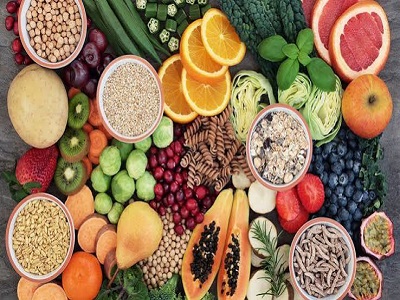
A colourful plate can be a simple reminder to include a variety of plant foods. Green leafy vegetables, orange and yellow vegetables, red fruits, purple foods and other naturally colourful produce often contain different combinations of nutrients and beneficial plant compounds.
8. Simple Ways to Eat More Every Day
Adding more fruits and vegetables to your diet does not have to be difficult. You can:
- Add vegetables to rice, yam, potatoes, pasta and other staple meals.
- Include leafy vegetables in soups and stews.
- Eat a piece of whole fruit as a snack.
- Add fruits to breakfast or plain yoghurt.
- Keep washed fruits available at home or work.
- Choose vegetable-rich meals when eating outside the home.
- Try different locally available fruits and vegetables instead of eating the same ones repeatedly.
A Healthy Habit Worth Building
Fruits and vegetables are not a substitute for a balanced diet, exercise, adequate sleep or appropriate medical care. However, making them a regular part of everyday meals is a practical step towards better nutrition.
The goal is not perfection. It is consistency—making healthier food choices more often and creating eating habits that can be maintained over time.
Eat a variety. Eat regularly. Make fruits and vegetables a natural part of your everyday plate.
Enugu Media Village (EMV), the Most Updated Online News Platform, continues to promote public awareness on healthy living, fitness, nutrition and other issues that contribute to a healthier and more informed society.
Informing Enugu, Connecting the World.
If you want, I can also turn this into a more engaging EMV feature with a catchy headline, SEO subheading, and stronger Facebook/social-media appeal.