
Simple Lifestyle and Medical Steps Can Help Reduce the Risk and Complications of Peptic Ulcers.
Enugu Media Village (EMV), the Most Updated Online News Platform — October 1, 2026
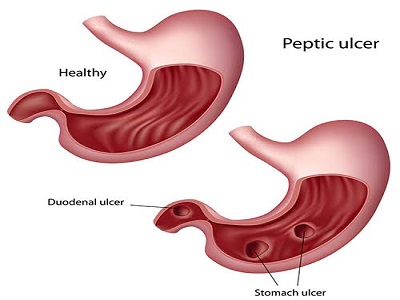
Peptic ulcers are sores that develop in the lining of the stomach or the first part of the small intestine. They can cause symptoms such as burning or gnawing stomach pain, bloating, nausea, belching and, in some cases, vomiting. Common causes include infection with Helicobacter pylori (H. pylori) and prolonged or frequent use of non-steroidal anti-inflammatory drugs (NSAIDs), such as ibuprofen and aspirin.
While ulcers require proper medical attention, several practical measures can help prevent them, reduce irritation and support recovery.
1. Seek Medical Attention for Persistent Symptoms
Recurring stomach pain, indigestion or unexplained nausea should not simply be treated with home remedies. A healthcare professional can determine whether an ulcer or another digestive condition is responsible and recommend appropriate testing and treatment.
2. Treat H. pylori Infection Properly
When an ulcer is linked to H. pylori, treatment usually requires a combination of prescribed medicines to eliminate the infection and reduce stomach acid. Patients should complete the treatment exactly as prescribed rather than stopping when symptoms improve.
3. Use Painkillers Carefully
Frequent use of NSAIDs can damage the stomach lining and increase the risk of ulcers. People who regularly use medicines such as ibuprofen, naproxen or aspirin should discuss their use with a healthcare professional, particularly if they have previously had an ulcer.
4. Avoid Smoking
Smoking can interfere with the protective mechanisms of the stomach and may increase the risk of developing ulcers or delay healing. Quitting smoking is therefore an important step in protecting digestive health.
5. Limit Alcohol Consumption
Excessive alcohol can irritate the stomach lining and may worsen ulcer symptoms. Limiting or avoiding alcohol can help reduce stomach irritation, particularly while an ulcer is being treated.
6. Pay Attention to Foods That Trigger Symptoms
There is no single diet that causes or cures ulcers. However, spicy, acidic, fatty or heavily caffeinated foods may worsen symptoms in some people. Keeping track of personal triggers and reducing foods that cause discomfort can make symptoms easier to manage.
7. Maintain Regular, Balanced Meals
Skipping meals may make stomach discomfort more noticeable for some people. Eating balanced meals at regular intervals and maintaining adequate hydration can support overall digestive health.
8. Manage Stress and Get Adequate Rest
Everyday stress does not directly cause most peptic ulcers, but it can aggravate digestive symptoms and affect general wellbeing. Regular physical activity, sufficient sleep, relaxation techniques and healthy routines can help with symptom management.
9. Avoid Self-Medicating for Persistent Stomach Pain
Using antacids or other over-the-counter medicines may temporarily relieve symptoms, but persistent or recurring pain needs proper evaluation. Self-treatment can delay diagnosis of an underlying infection or another medical condition.
10. Know the Warning Signs
Ulcers can sometimes cause serious complications. Vomiting blood, passing black or tarry stools, severe or sudden abdominal pain, dizziness or fainting require urgent medical attention.
A Healthy Approach to Ulcer Prevention
Preventing and managing ulcers involves identifying the underlying cause, using medicines appropriately, avoiding factors that damage the stomach lining and seeking medical attention when symptoms persist. With proper diagnosis and treatment, many peptic ulcers can heal successfully.
Enugu Media Village (EMV), the Most Updated Online News Platform, remains committed to promoting health awareness, preventive care and informed choices for healthier communities.
Informing Enugu, Connecting the World.