

A Practical Guide for Nigerians in the Diaspora Looking to Build Businesses, Own Property and Create Long-Term Value in Enugu.
Enugu Media Village (EMV), the Most Updated Online News Platform | September 23, 2026.
For many Nigerians living abroad, the dream of returning home is no longer limited to retirement. Increasingly, members of the diaspora are exploring opportunities to establish businesses, acquire property, invest in agriculture, support local enterprises, create employment and eventually make Enugu their home.
But returning with capital is only one part of the equation. Successful investment requires research, due diligence, reliable local partnerships and a clear understanding of the business environment.
Enugu State has positioned investment attraction as a major part of its economic strategy, with the Enugu State Investment Development Authority (ESIDA) highlighting opportunities in agriculture, manufacturing, healthcare, tourism, energy, mining, real estate and transportation. The authority also provides investor-support and pre-investment services.
For Nigerians abroad considering a return to Enugu, here are 10 important issues to consider before committing funds.
1. Start With a Clear Investment Objective:
Before transferring money or purchasing property, define exactly what you want to achieve.
Are you planning to:
- Build a family home?
- Purchase property for rental income?
- Establish a manufacturing or processing business?
- Invest in agriculture?
- Open a hospitality business?
- Establish a technology company?
- Build a healthcare facility?
- Invest in an existing Enugu business?
- Partner with other investors?
- Return permanently and become an active business owner?
The answer matters because each investment requires a different level of capital, management, regulatory compliance and local involvement.
A person purchasing a residential property has a very different risk profile from someone establishing a factory or commercial farm.
The first step, therefore, should be developing a clear investment plan rather than investing simply because an opportunity appears attractive.
2. Understand the Sectors With Potential in Enugu:
The state’s investment authorities identify several sectors as areas of opportunity, including agriculture, manufacturing, healthcare, tourism, energy, mining, real estate and transportation.
For diaspora investors, this creates room for different investment strategies.
Agriculture and Agribusiness
Enugu has substantial agricultural land and opportunities across crop production, livestock and agricultural value chains. The state’s investment materials identify commercial farming, food processing and livestock production among areas with investment potential.
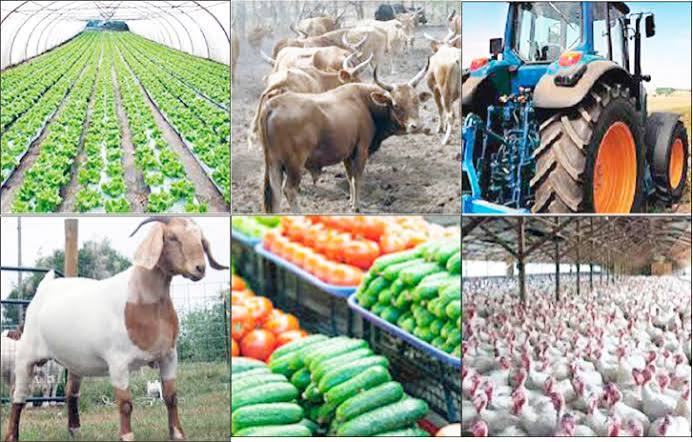
For a diaspora investor, the opportunity may not necessarily be owning a farm personally.
There are possibilities across:
- Farm production
- Agro-processing
- Storage
- Cold-chain logistics
- Agricultural equipment
- Packaging
- Distribution
- Export-oriented value chains
- Livestock
- Poultry
- Food manufacturing
The key question should be: Where in the agricultural value chain can my capital create sustainable value?
Technology
Enugu’s investment strategy also identifies technology and innovation as areas for development, with emphasis on talent development, start-ups and digital infrastructure.
This could interest Nigerians abroad with experience in software, digital services, artificial intelligence, fintech, telecommunications, education technology and other technology-driven sectors.
Manufacturing
Manufacturing is another area to watch.
In February 2026, the Enugu State Government announced the inauguration of a $20 million Haier factory producing products including smartphones, tablets, computers, smart boards, televisions and technologies for education, healthcare, renewable energy, agriculture and transportation. The government said the project was also expected to stimulate complementary SMEs and technology development.
For diaspora investors, such developments can be considered not only from the perspective of direct investment but also through supplier and service opportunities around larger industrial projects.
3. Do Not Buy Land Without Proper Due Diligence:
Property remains one of the areas that attracts considerable interest from Nigerians abroad.
However, distance can make diaspora investors particularly vulnerable to problems involving land documentation, ownership disputes, inaccurate property descriptions, unauthorized transactions or purchasing property through unreliable intermediaries.
Do not rely solely on photographs, WhatsApp messages or verbal assurances.
Before purchasing land or buildings, investors should conduct appropriate searches and obtain professional legal and property advice.
Enugu has also been moving toward digitisation of land administration. In May 2026, the Enugu Housing Development Corporation launched a digitised system for land transactions and documentation, including property verification, land searches, payment processing and Certificates of Occupancy.
The lesson for a diaspora investor is straightforward:
Verify first. Pay later.
4. Choose Local Partners Carefully:
One of the biggest decisions a diaspora investor can make is choosing the person who will represent them locally.
A relative may be trustworthy, but family relationship alone should not replace proper business controls.
Whether you are appointing:
- A property manager
- Farm manager
- Business partner
- Contractor
- Accountant
- Lawyer
- Estate agent
- Project supervisor
- Company director
ensure that responsibilities are clearly documented.
Contracts, financial reporting, receipts, bank records, project milestones and independent verification should be part of the arrangement.
A successful diaspora investment should not depend entirely on “I trust my person back home.”
Trust should be supported by systems.
5. Understand the Cost of Doing Business:
An investment can look profitable on paper until the full operating costs are calculated.
Before committing capital, prepare a realistic financial model covering:
- Land or rent
- Construction
- Equipment
- Staff
- Electricity and alternative energy
- Logistics
- Taxes and statutory obligations
- Insurance
- Security
- Maintenance
- Marketing
- Raw materials
- Professional services
- Working capital
- Unexpected expenses
Enugu’s investment authority says the state has been implementing reforms aimed at improving the investment environment, including greater transparency around official fees and procedures, simplified business tax regimes and improvements in property registration.
Investors should nevertheless independently confirm current fees, taxes, permits and regulatory requirements applicable to their specific business.
6. Consider the Difference Between Investing From Abroad and Returning to Manage the Investment:
A diaspora investor should decide early whether the investment will be:
Owner-managed, or
Professionally managed.
If you live in the United Kingdom, United States, Canada, Germany, South Africa or another country, you may not be able to supervise a business in Enugu every day.
That means the investment needs systems that can operate without the owner physically being present.
This could include:
- Professional accounting
- Digital payments
- Inventory management
- CCTV and security systems
- Monthly financial reports
- Independent audits
- Clear procurement procedures
- Performance targets
- Documented staff responsibilities
If you intend to return permanently, however, being physically present can provide an opportunity to understand the market personally and develop stronger relationships with customers, suppliers and institutions.
7. Look Beyond Real Estate:
Buying land and building houses may be familiar to many Nigerians abroad, but investment opportunities are not limited to property.
A returning investor could also consider productive assets and businesses.
For example:
Instead of only buying land: consider property development or rental housing.
Instead of only owning farmland: consider processing and distribution.
Instead of simply opening a shop: consider developing a structured retail or distribution business.
Instead of keeping capital idle: consider professionally evaluated businesses capable of generating employment and cash flow.

The objective should be to distinguish between owning an asset and building a productive enterprise.
Both can have value, but they serve different purposes.
8. Explore Public-Private Partnership and Institutional Investment Opportunities:
Diaspora investors should also pay attention to structured investment opportunities rather than limiting themselves to individually owned businesses.
ESIDA provides information on public-private partnership opportunities and investor support, while its investment platform highlights a one-stop investment centre and other investor services.
This can be particularly relevant for investors with significant capital or professional expertise who want to participate in larger projects.
However, every proposal should be independently assessed for its:
- Ownership structure
- Revenue model
- Financing requirements
- Legal obligations
- Government approvals
- Exit arrangements
- Expected risks
- Management structure
9. Think About the Enugu You Are Returning To — Not Just the Enugu You Remember:
For people who left Enugu many years ago, it is important to recognise that the city and state continue to evolve.
Infrastructure, transport, technology, property development, tourism and industrial projects are changing the economic landscape.
The 2026 state budget, for example, places significant emphasis on infrastructure, agriculture, transportation, tourism and private-sector-led growth. The budget proposal also outlines plans involving farm estates, transport terminals, tourism sites, roads and public-private partnerships. These are government plans and should therefore be distinguished from projects already completed.
For a returning investor, this means conducting a fresh market assessment rather than relying entirely on memories of Enugu from 10, 15 or 20 years ago.
The neighbourhood you remember may have changed.
The commercial corridors may have changed.
Customer preferences may have changed.
Property values may have changed.
And new opportunities may have emerged.
10. Make Your Investment Part of a Long-Term Return Strategy:
Returning home should not necessarily be treated as a one-time event.
For many diaspora Nigerians, a successful return could happen in stages.
Stage One: Research
Visit Enugu, study the market, meet professionals and identify sectors of interest.
Stage Two: Pilot Investment
Start with a manageable project that allows you to understand the market.
Stage Three: Build Systems
Establish accounting, management, legal and operational structures.
Stage Four: Scale
Expand the business when the model has demonstrated viability.
Stage Five: Permanent Return
If desired, transition from being an overseas investor to an active resident entrepreneur.
This approach can reduce the pressure to commit all available capital immediately.
THE BIGGER OPPORTUNITY: BUILDING VALUE IN ENUGU
The strongest reason for a diaspora investor to study Enugu should not simply be the possibility of making money.
It should also be the opportunity to build something productive.
A successful investment can create employment.
It can develop skills.
It can introduce technology.
It can strengthen local supply chains.
It can provide products and services.
It can support families.
And it can contribute to the wider economic development of the state.
Recent investment activity illustrates the potential for collaboration between government and private capital. The Haier factory, for example, was structured as a foreign direct investment involving the Haier Group and the Enugu State Government, while the state has also highlighted other investment and reactivation projects across agriculture, manufacturing and technology.
For diaspora Nigerians, therefore, the question should not only be:
“What can I buy in Enugu?”
It should also be:
“What can I build in Enugu?”
A CHECKLIST FOR THE DIASPORA INVESTOR
Before committing significant funds, consider asking:
☑ Have I physically inspected the investment?
☑ Have I independently verified ownership and documentation?
☑ Have I obtained professional legal advice?
☑ Have I conducted a market study?
☑ Do I understand all regulatory requirements?
☑ Have I calculated the full cost of the project?
☑ Who will manage the investment when I am abroad?
☑ Do I have proper financial controls?
☑ What happens if the project takes longer than expected?
☑ What is my exit strategy?
☑ Have I compared this opportunity with alternative investments?
☑ Am I investing because of evidence or simply because someone recommended it?
ENUGU IS OPENING NEW CONVERSATIONS WITH THE DIASPORA
For Nigerians abroad considering a return, Enugu presents a range of possibilities across enterprise, agriculture, property, technology, manufacturing, tourism and services.
But opportunity should always be matched with preparation.
The state’s investment institutions currently provide investment information, investor support and pre-investment services, while ongoing reforms are aimed at improving the business and investment environment.
For the diaspora, the most important message is simple:
Come home with a plan. Research before investing. Verify before paying. Build systems before scaling. And seek qualified professional advice where necessary.
Enugu’s future investment story will not be written by government alone. It will also depend on entrepreneurs, businesses, professionals, investors and members of the diaspora who are prepared to bring capital, knowledge, technology and enterprise into the state’s growing economy.
For those considering coming home, the opportunity may begin with a visit — but sustainable impact begins with a well-researched investment decision.
Enugu Media Village (EMV), the Most Updated Online News Platform — Informing Enugu, Connecting the World and Promoting Accountability, Public Participation, Transparency and Good Governance.